At least it wasn’t 2024.
I know it’s all personal and subjective, and I’m sure I’m in the minority when I say this, but I thought last year was a drag for movies. I couldn’t even squeak out a Top Ten of 2024.
This year? Much improved! In fact, I think we uncovered a few groundbreakers: movies that push beyond anticipation and even create worlds within our world. Whether they are relatable through empathy or completely fantastical, 2025’s cinematic quality goes to 11. And, unlike most acclaimed or at-home film critics, I like to include the disrespected horror genre in my list. Horror spilled on to 2025, and it wasn’t Dracula or Frankenstein‘s blood.
10. The Life of Chuck, Directed by Mike Flanagan
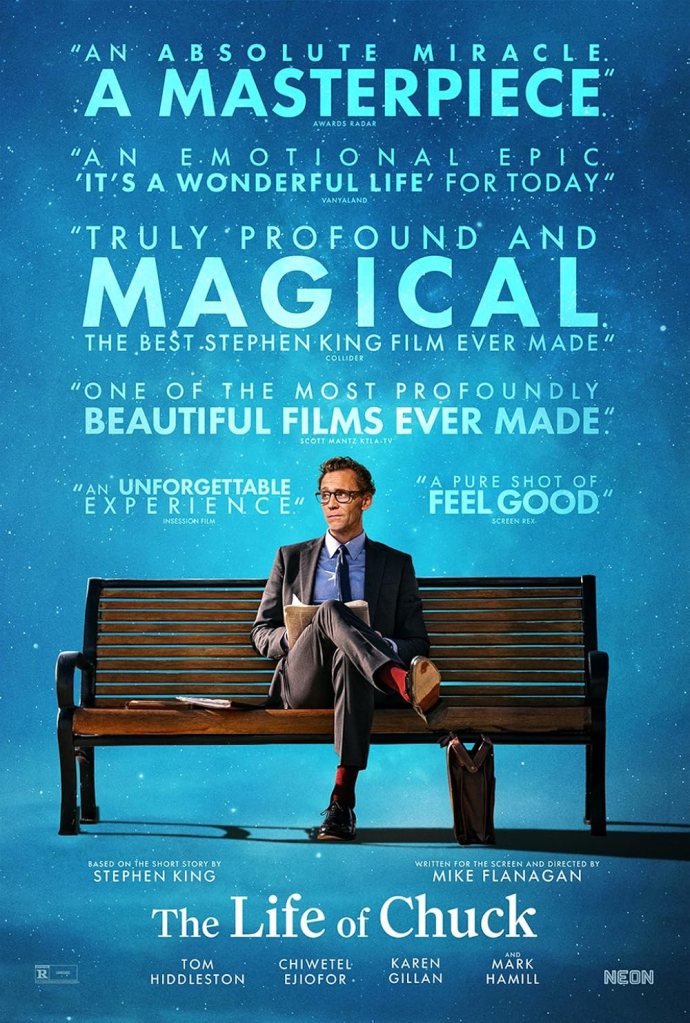
Not the painfully sweet fluff of August Rush (2007) but closer to the spiritual ambition Spielberg needed in The Fabelmans (2022), this is existential storytelling at its finest. The Life of Chuck unfolds with quiet grace, even when your first instinct is cynicism. It reminds us to be present, yes, but also to linger in the ordinary—the small, banal moments that, surprisingly, leave the deepest mark. As Stephen King’s only official screenplay, it resonates long after the credits roll.
9. Presence, Directed by Steven Soderbergh

Ingenuous in its minimalism, unassuming in its observations—the narrative coasts like the very ghost we embody through the rooms.
And that is what this low-fi thriller is all about—rooms. Rooms with closets, time, and secrets.
In an era when style, shock, and manipulation trump anything substance and subtlety, this Soderbergh gem gives us reason to pause again.
The art film to horror extension isn’t easy to pull off, but Soderbergh does it, especially when dialogue ceases and eyeful awareness takes over. Yes, the music and melodramatics push corny, but we are dealing with family dysfunction (and a possible poltergeist).
It is perspective-playful, refreshing, and underrated.
8. John Candy: I Like Me, Directed by Colin Hanks

A lovable documentary about a lovable actor, husband, and father. If you were a child of the 80s and 90s, John Candy was in most of your comedy favorites. Behind his ability to make people laugh were struggles of paternal loss, body shaming, addiction, and chronic anxiety. Director Colin Hanks respectfully captures both the light and the dark of this comedic icon with heartfelt interviews, never-seen-before footage, and a beautiful celebration of a family-first Hollywood star.
7. Katrina: Come Hell and High Water, Directed by Geeta Gandbhir, Samantha M. Knowles, and Spike Lee
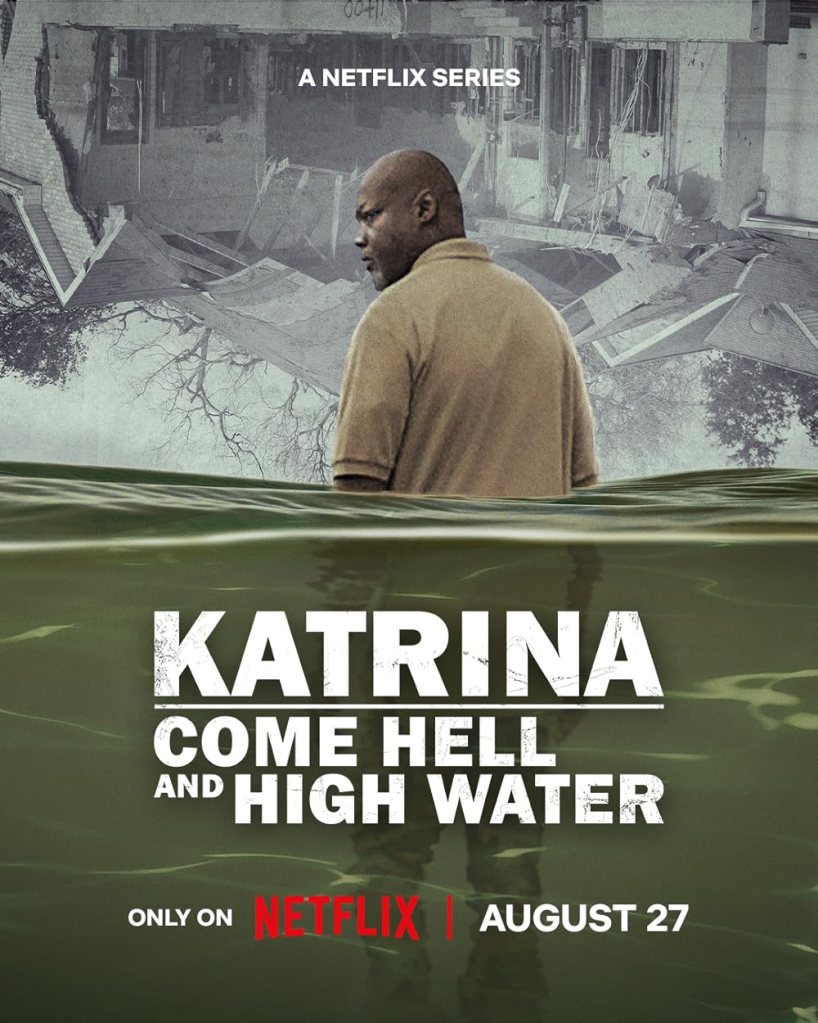
Match cuts of pre and post Katrina devastation accentuate the understandable yet unforgivable naivety behind disparate preparation. The haunting footage places you right in the doom of the New Orleans Lower Ninth Ward and the catastrophic progression of the levee breach. An eye opening and infuriating look at systemic neglect and inequity. What starts as an objective, chronological recollection gets real when Spike Lee takes over.
“It takes an ocean not to break.”
6. The Naked Gun, Directed by Akiva Schaffer
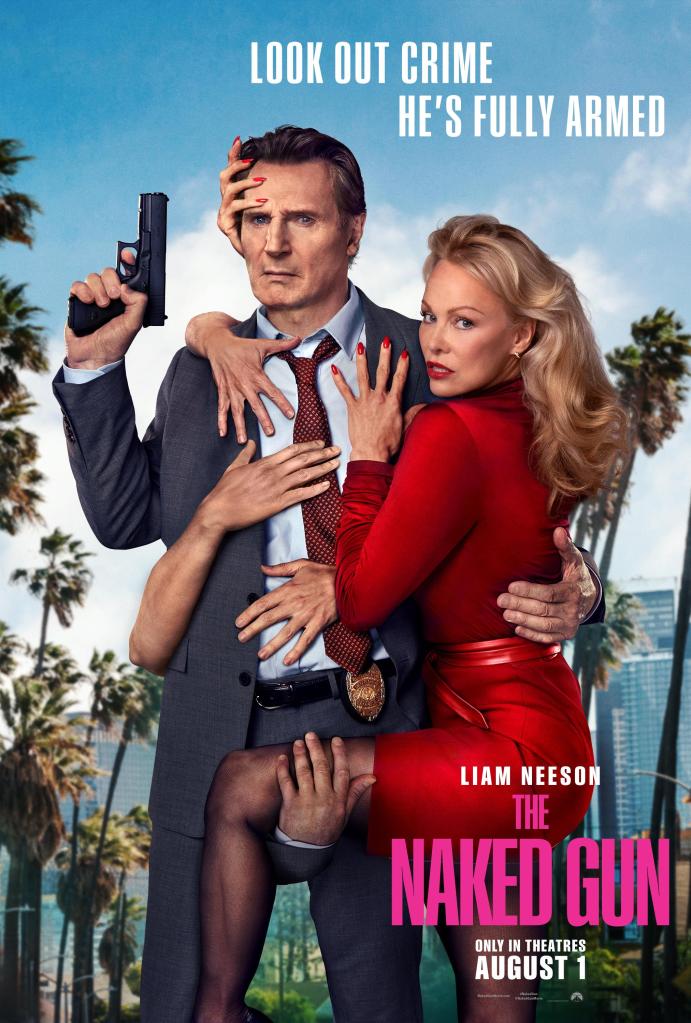
“Reboot” may be this relentless comedy’s only weakness, but where Leslie Nielsen is missed, Liam Neeson shamelessly and successfully upholds the legacy. I won’t spoil the gags, but the film thrives on gloriously lowbrow stupidity—cheap coffee cups, absurd visual bits, and throwaway lines that land harder than they should. Neeson’s gravelly seriousness is a perfect fit, Pamela Anderson is genuinely lovable as the new femme fatale, and the quick cameos and affectionate nods to the original are deeply satisfying. My dad and I roared with laughter alongside a packed theater, and yes—there was a snowman.
5. Together, Directed by Michael Shanks
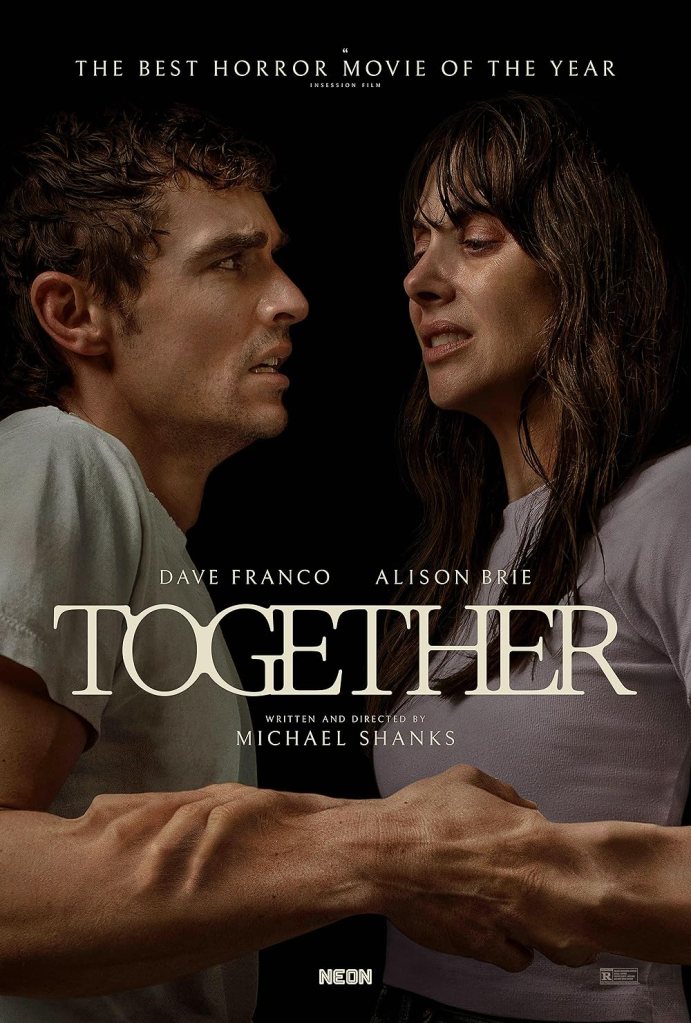
Funny. Frightening. Funereal. Together (2025) adds a body-horror twist to a relationship premise, turning toxic codependency into a treacherously entertaining ordeal. Starring real-life married couple Dave Franco and Alison Brie, the film traps two emotionally dependent people in literal and psychological cabin fever, where selfish need curdles into something ominous. Franco and Brie are deeply likable, the progressive horrors are genuinely unsettling, and while audiences will fixate on the infamous bathroom scene, the Diazepam fiasco hit me hardest.
4. Marty Supreme, Directed by Josh Safdie

Josh Safdie’s frenetic lens, Daniel Lopatin’s retro electronica score, and the unaffected performances of non-actors pump adrenaline into a tale about a ping pong player. Yes, Marty Reisman was a real, eccentric table tennis champ who earned 22 major titles from 1946 to 2002, but his story couldn’t go beyond a Timothée Chalamet performance and a highly dynamized direction. The over-the-top, tight spots Chalamet gets into aren’t as stomach-churning as Adam Sandler’s in Uncut Gems (2019), but the dabs of humor are crucial in making this rascal tolerable. This is one of those marvels where style must supersede substance to make an unbelievable story even more unbelievable.
3. Train Dreams, Directed by Clint Bentley
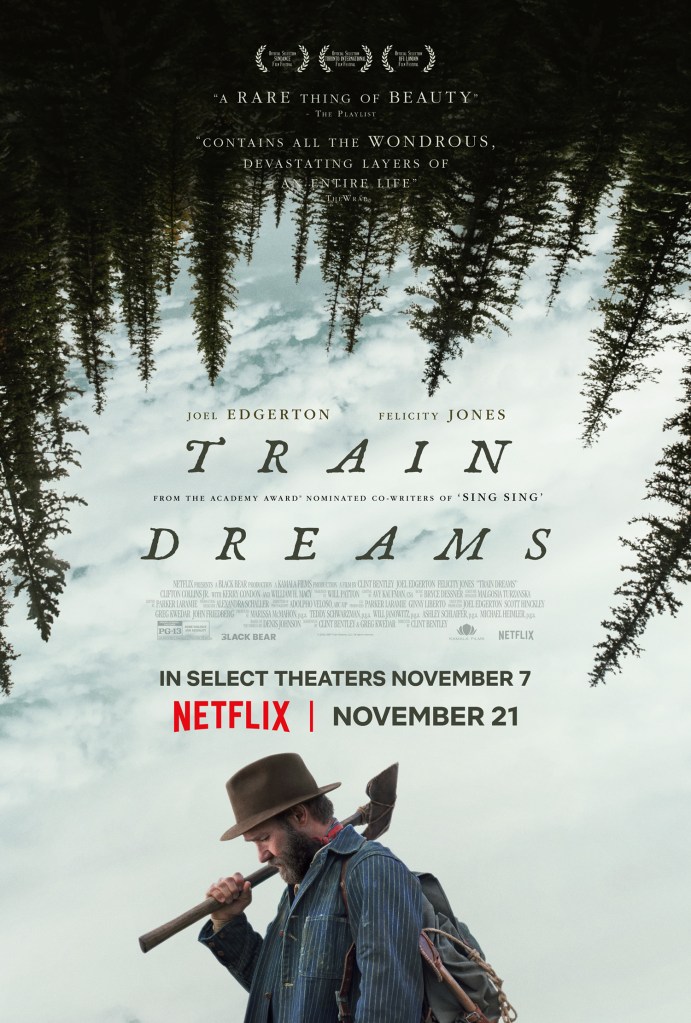
With its straightforward narration and observational gaze, Train Dreams feels like a quiet meeting point between Terrence Malick’s spiritual rumination and Kelly Reichardt’s grounded patience. The film drifts through a cradle-to-grave story of love, labor, and survival, letting family—together and apart—exist as a constant presence within the rhythms of the logging life. William H. Macy disappears into his role, Joel Edgerton radiates gentle resolve, and Felicity Jones is nearly unrecognizable beneath the dirt and time. Most striking is how this Western rejects swagger in favor of fatherhood, finding aching beauty in a life defined by loss and endurance.
2. Weapons, Directed By Zach Cregger
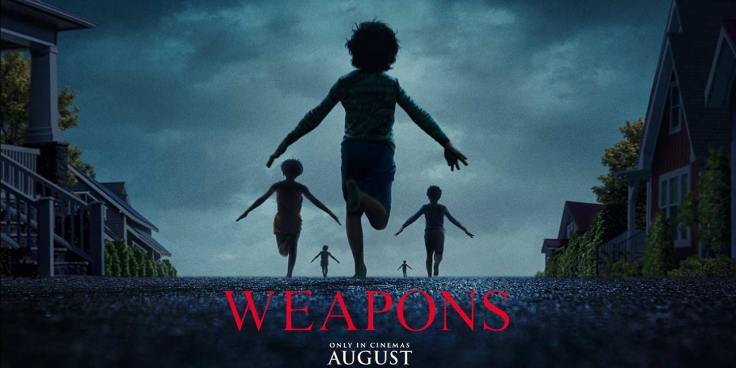
Watching Weapons in a packed theater felt like a roller coaster of gulps, laughs, and screams—a reminder that horror has broken wide open this year even as many viewers settle for safer rides. Built on the chilling premise of an entire elementary class vanishing at 2:17 a.m., the film sustains its dread through eerie suburban unease and a relentless drive to explain the impossible. Zach Cregger proves adept at getting under the skin, using a shadowy, mid-century neighborhood to conjure a uniquely American darkness. Beneath the jump scares, the film operates as a metaphor for school-shooting paranoia, exploring trauma, moral disengagement, and manipulation through interwoven perspectives and a cleverly shifting timeline. Folklore may haunt the woods, but Weapons argues that the American suburbs—where fear hides behind lawns and quiet nights—are far more terrifying.
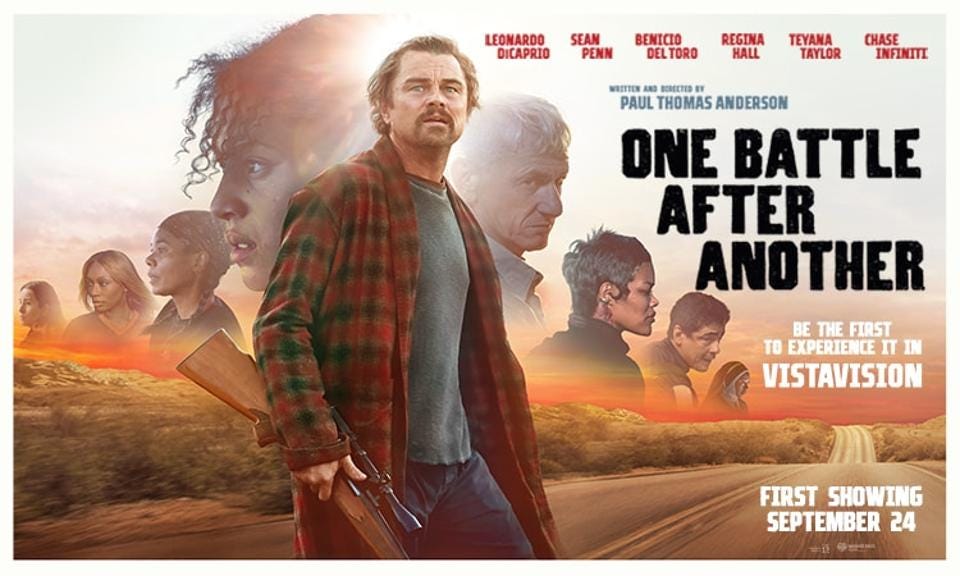
1. One Battle After Another, Directed by Paul Thomas Anderson
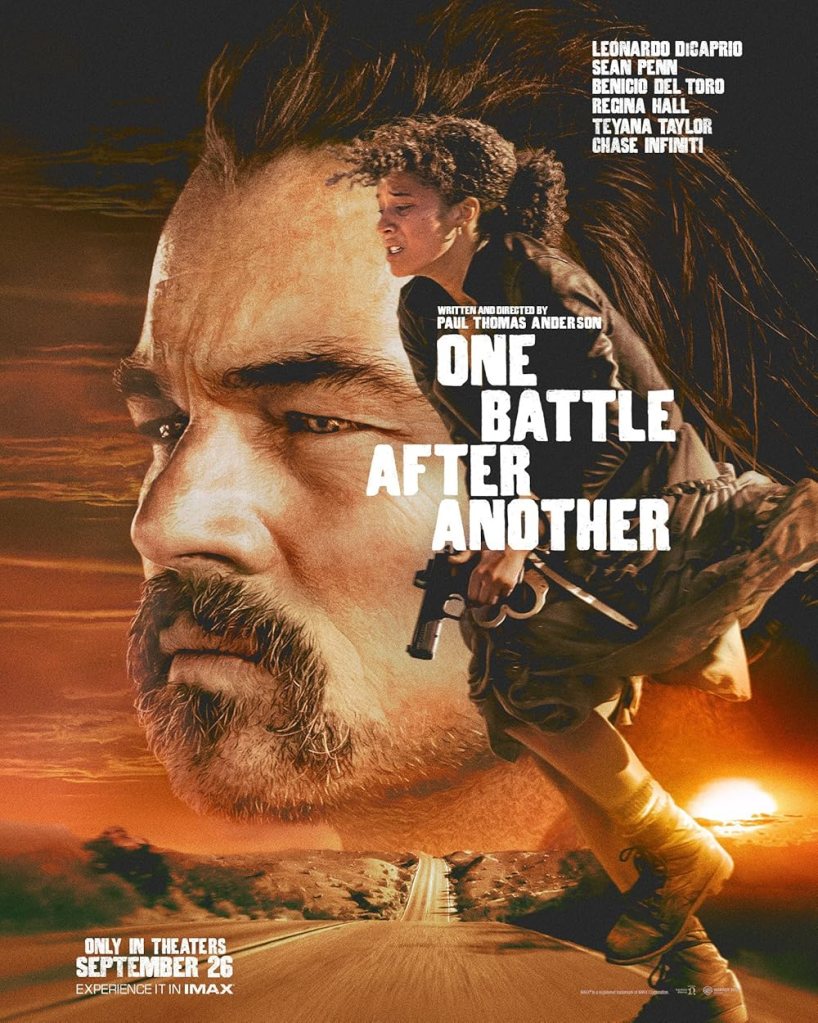
One Battle After Another is a daring, unmarketable-by-design genre-bender that demands a theatrical viewing, with Paul Thomas Anderson once again operating on a frequency Hollywood can’t replicate. The film erupts with raw emotion, flooring the viewer, lifting them up, and launching them into the ether with a confidence that feels both reckless and precise. On the political surface, there are no winners here. This is far less a statement film than a study in character development and personality evaluation, where ideology matters less than impulse, loyalty, and personal reckoning.
Tonally elastic music—ranging from dissonant piano to anxious jazz—drives the film forward and fuels two edge-of-your-seat chase sequences that feel both classical and unhinged. Nodding to Bonnie and Clyde and the fugitive melancholy of Running on Empty before dismantling both into something entirely its own, One Battle After Another stands as unmistakably PTA: wild, unclassifiable, and beating with a heart too big for any genre to contain.
A movie to feel. A movie to ride. A movie for the movies.
Thank you for reading and be sure to share YOUR favorites of 2025!
Happy New Year to you and your fams,
Reely Bernie
 Reely Bernie
I’ve only seen 5 on your list and 4 of them are on my top-10 list (which includes what are technically 2024 releases, which I only managed to watch in 2025, hence). I still haven’t seen Presence, but I really enjoyed the other Soderbergh release (at #9). Not so hot about the new Naked Gun, though I thought the tributes to Nielsen and the original were very well placed.
My list:
LikeLiked by 1 person
Fantastic list! We have similar taste. The Brutalist was brutally long for me, but I understand and appreciate its values. I still need to see “I’m Still Here.” I’m overjoyed you have Train Dreams as #1. I hope this is another good year for movies. We deserve it, haha!
LikeLike
Recently watched The Life of Chuck and Train Dreams. Both good, Chuck my favourite so far. Looking forward to One Battle etc. Thanks or the list Bernie!
LikeLiked by 1 person
Shane, that is so kind and considerate of you to take up my recommendations. Mostly, they are just a recollection of a year and what images and stories on the screen that I recall and love most. I’m glad you liked The Life of Chuck and Train Dreams. Those are the safer bets in my list, and they ring true when it comes to empathy, struggle, and character development. Train Dreams is part of that trending “anti-Western” trope, which I find refreshing. The Life of Chuck lingers with you afterwards, and it reminds you to pause and enjoy the simple things in life. Oof – “One Battle” will be hit or miss, I think. Some of my friends loved it. Some loathed it. Haha! Thanks again!
LikeLike
I’ve only seen 2 movies on your list. Just The Naked Gun and Weapons. Both are on my top 20 list.
LikeLiked by 1 person
The only one of these I’ve seen is Weapons, which I found genuinely unsettling. Happy New Year!
LikeLiked by 1 person
Thanks, James. Yeah, Weapons was unsettling at first for me too, and on second watch, it became a sober sociology lesson for me. It’s deeper than your average horror flick. Happy 2026 to you too!
LikeLike